Roamwise journal · Trip budgeting · 6 min read
How to Save for a Trip: A Simple Plan for Any Budget
A trip fund starts with a clear number and a pace that fits your real life. This step-by-step plan leaves room to adjust the trip rather than borrow to force the date.
The short version
Choose a savings pace that does not put essentials at risk.
- Estimate the full trip cost, including pre-trip and on-trip expenses.
- Divide the remaining amount by the time you have to set a workable target.
- Keep travel savings separate from essential bills and emergency funds.
- If the target is too high, adjust the cost or timing instead of relying on debt.
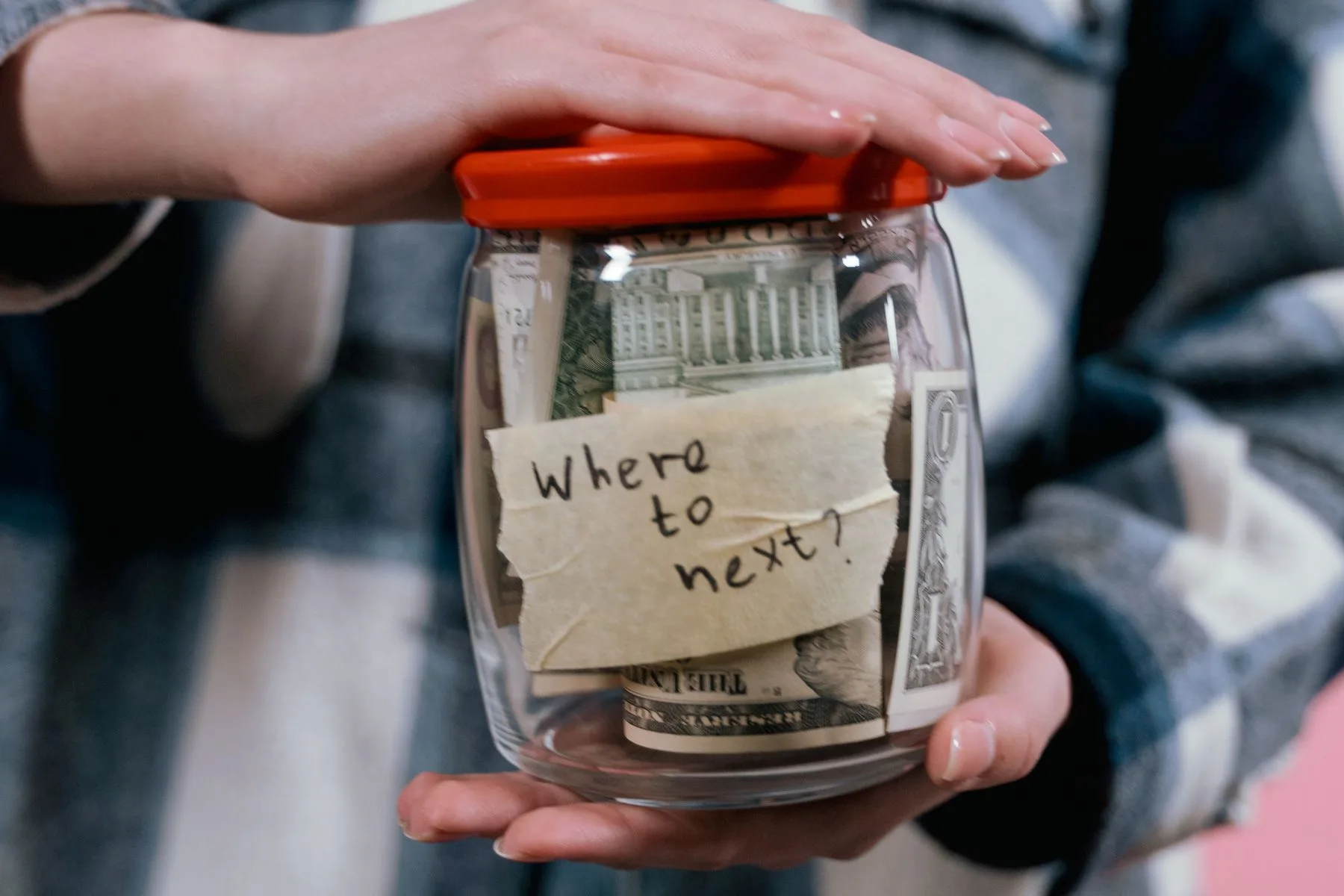
Saving for a trip can feel vague until the goal has an estimated cost, a date, and a place to keep the money. You do not need a perfect forecast to begin; you need a reasonable estimate that you can update as plans become clearer.
1. Estimate the full trip cost
Start with transport, accommodation, meals, local travel, activities, required documents, insurance, and the costs of preparing to leave home. Include baggage and fees you already know apply, plus a comfortable amount for uncertainty. Record the source and date of important estimates.
Separate money already paid from the amount still to save. Our guide toplanning a trip budgetexplains how to keep confirmed prices and estimates distinct.
2. Choose a realistic date
Pick a travel window that fits your schedule and gives you time to save. The date also affects prices and availability, so check the costs for plausible dates rather than assuming the first estimate will hold. If the timeline is tight, consider shifting the trip rather than treating a stretch goal as a requirement.
3. Work out a savings target
Subtract the amount you have already set aside for the trip from your estimated total. Divide what remains by the number of saving periods before you leave—weeks or months, whichever is easier to manage.
Amount to save each period = (estimated trip cost − trip savings so far) ÷ periods remaining
For example, a hypothetical $1,200 remaining over eight months is $150 a month. This is only an arithmetic example; choose an amount that fits your income, essential spending, and other financial commitments.
4. Keep trip money easy to identify
If it works for your situation, keep travel savings in a separate account, sub-account, or clearly labeled savings pot. Check any account fees, withdrawal rules, and local protections before choosing where to keep it. Do not put money needed for near-term bills or emergencies at risk to chase a return.
5. Make saving consistent
A recurring transfer can help if your income and bills follow a predictable schedule. Choose an amount and date you can sustain, and make sure essential payments remain covered. If income varies, you might prefer to save a percentage of available surplus or make a manual transfer after reviewing each month.
6. Find room without cutting what matters
Review your spending for optional costs you would genuinely be comfortable changing. You could pause an unused subscription, redirect a one-off bonus, or choose a less expensive version of an activity. Avoid skipping necessities, taking on extra work that harms your wellbeing, or counting uncertain income as guaranteed.
Small changes are only useful if they are realistic and last. There is no need to eliminate every treat or make the trip a source of financial pressure.
7. Review progress and adjust the plan
Check your progress periodically and update the trip estimate when prices or plans change. If you fall behind, consider a later date, fewer nights, a different route, or a lower-cost activity. A smaller trip you can afford comfortably is better than relying on debt to preserve an old plan.
When you are ready, compare the saved amount with confirmed bookings and remaining estimates. Thefree trip budget templatecan help you keep that overview.
This guide is general planning information, not personalized financial advice. Keep essential expenses and emergency savings a priority, and adapt the timeline and trip to your circumstances.